Love, Literature, and ?
For years, literature taught me what love should look like: devotion, sacrifice, endurance. Rereading those stories later, something feels different. What if the love we admired also recorded its cost? This series revisits the texts that shaped us to ask what survived—and what quietly disappeared.

There was a time when I trusted love stories completely.
Not just the ones in books, but the ones they trained me to recognise. The arcs I expected. The sacrifices I admired. The quiet belief that love, if it was real, would hurt in ways that proved it mattered.
I did not question this. I absorbed it.
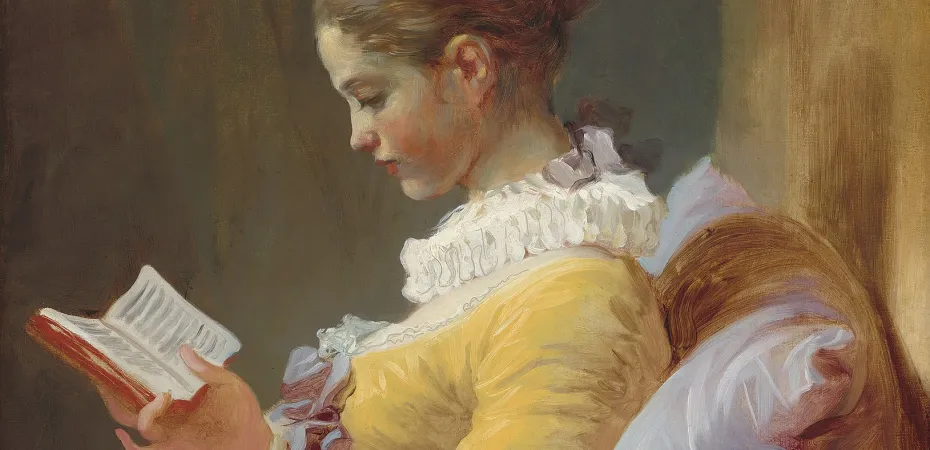
Literature was my earliest teacher. It gave shape to longing before I had language for it. It taught me which loves were worth admiring and which characters deserved our sympathy. The ones who stayed were noble. The ones who endured were deep. The ones who left were unfinished.
For a long time, I wanted to be worthy of those stories.
It was only later, rereading, that something shifted. The same love stories no longer felt romantic. They felt heavy. Uneven. Familiar in an unsettling way. I began to notice how often love in literature asked one person to shrink so the relationship could survive. How devotion was praised precisely when it became self-erasure. How suffering was framed as proof rather than consequence.
This series begins in that discomfort.
Not with rejection, but with suspicion. Not with certainty, but with rereading.
For centuries, literature has given us its most memorable love stories wrapped in devotion and loss. We were taught to admire them, mourn them, and sometimes shape ourselves around them. But literature was not only celebrating these loves. It was recording what they cost.
I am no longer convinced we misunderstood these stories.
I think we simply reached them too early.
Love, Literature, and ? is a weekly series that returns to texts that formed our emotional education and asks a quieter question alongside them.
What happens to love when devotion is no longer unquestioned?
What survives when selfhood is allowed to remain present?
What literature reveals once we stop asking it how to love, and start asking it what endured and what disappeared?
This is not a rejection of romance.
It is an attempt to read it honestly.
Each week, I will sit with a word that once felt uncomplicated. Devotion. Sacrifice. Illusion. Selfhood. Boundaries. Growth. I will place it beside the stories that shaped my understanding of love, not to dismantle them, but to stay with them longer than I used to.
Because perhaps the most unsettling realisation is this.
Literature may have trusted us to grow into its warnings.
And perhaps love itself asks something similar.
Useful links
 Muskan Bhatia
 Muskan Bhatia
 Muskan Bhatia