Deep in Bihar: The Ruins of Nalanda
Explore Nalanda, the ancient Indian university where Buddhist philosophy, great minds and remarkable architectural innovations shaped centuries of learning.

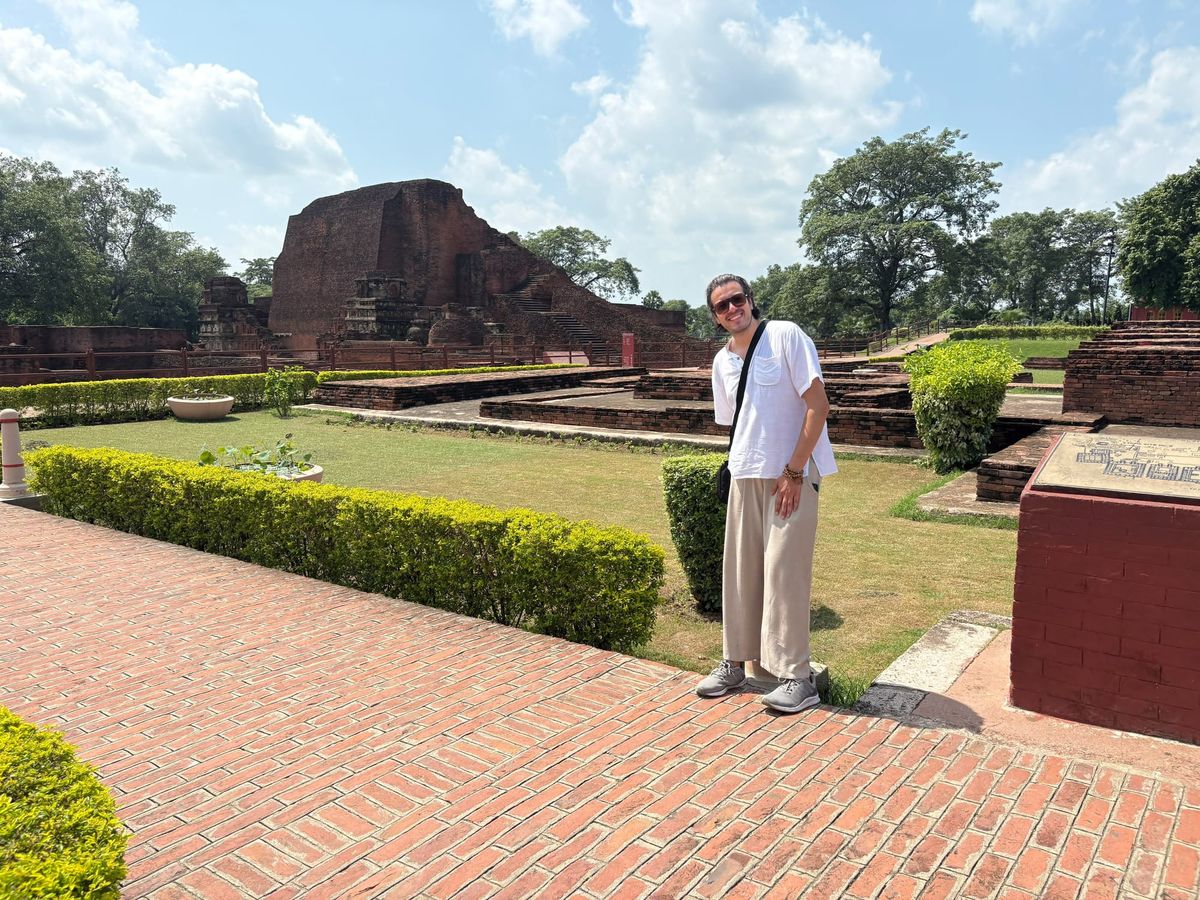
What do giant pillars of Buddhist philosophy like Nagarjuna, Aryadeva, Candrakirti and Vasubandhu have in common?
They went to the same school, and most likely they had the same meals!
Join me on a fantstic tour I had the pleasure of going to during my trip to India.
This was possible thank to my official Bihar guide, Santosh Kumar and Vikash from Kumar Film production.
What exactly is Nalanda?
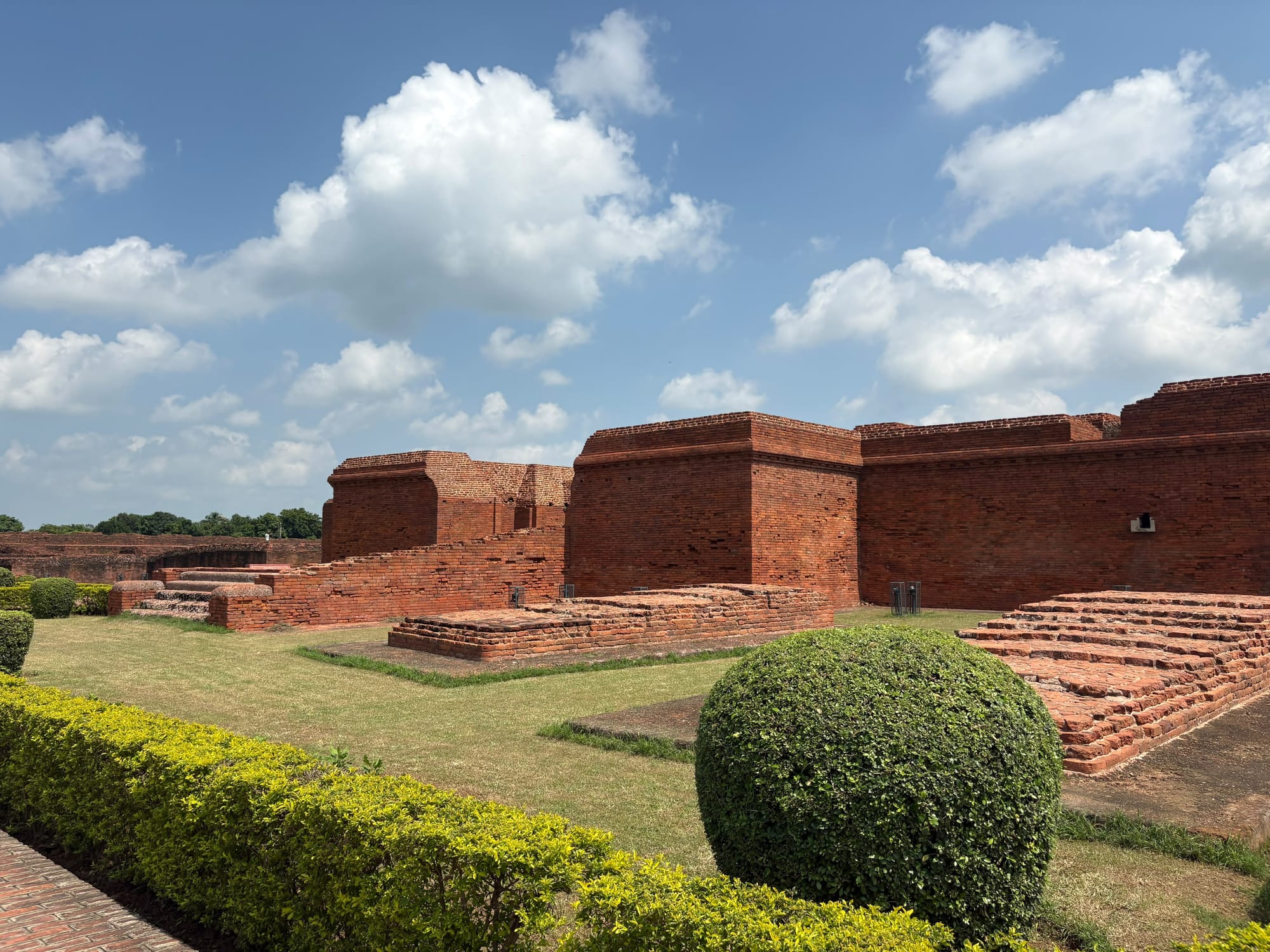
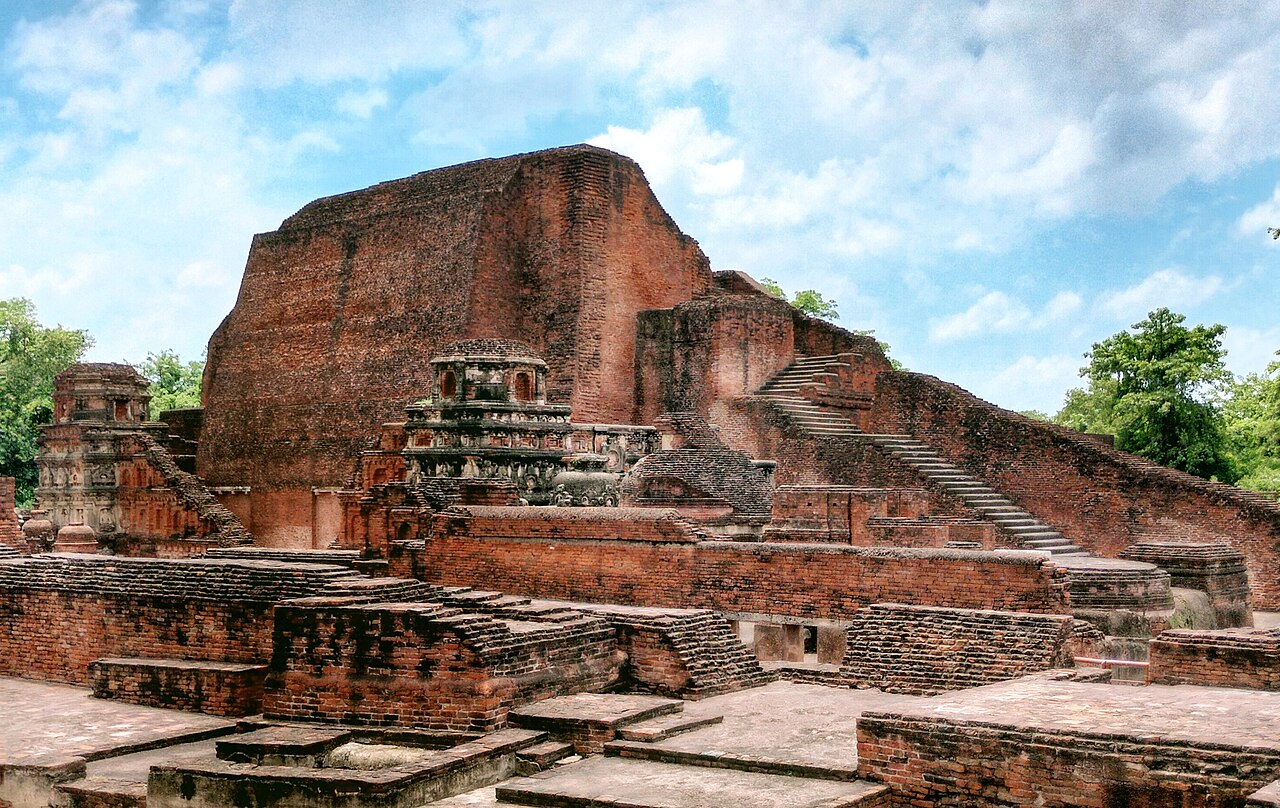
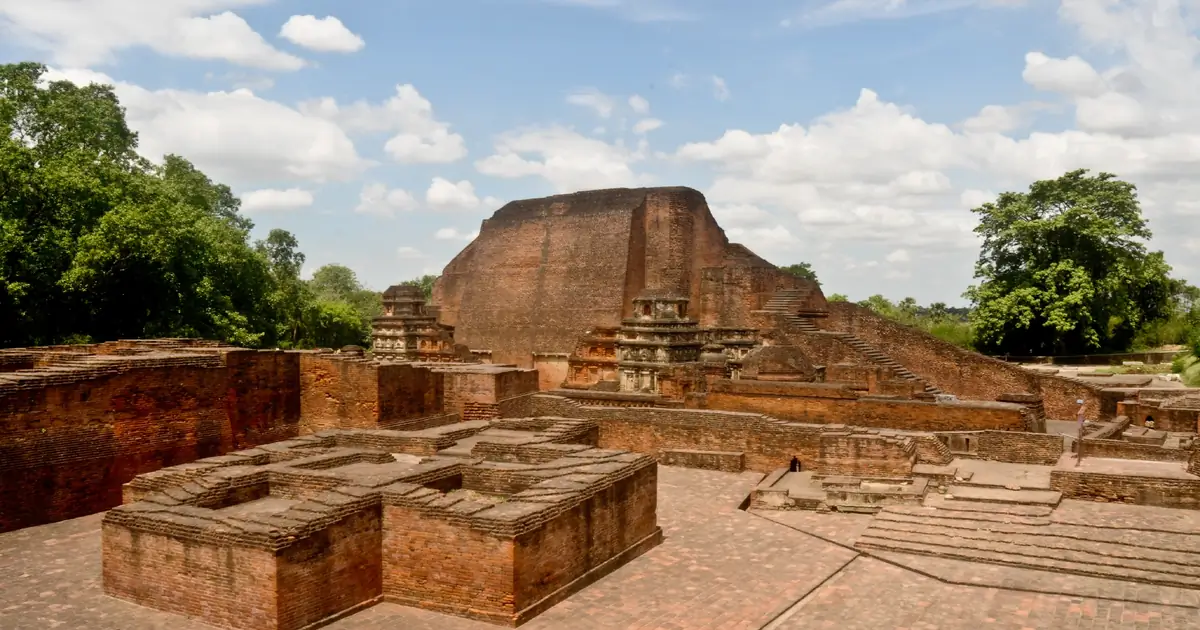
The name refers to a vast monastic and scholastic complex that evolved over centuries. UNESCO identifies archaeological remains at the site dating from approximately the 3rd century BCE through bla bla bla bla bla bla .......
Okay, I could be here annoying you for entire webpages but you know I'm not that kind of guy!
Usually I get that boring only on Dante's Inferno analysis hehehe!
Nalanda, said in layman's terms, was a unique ancient cluster of monasteries, schools, libraries, temples and interfaith/philosophical research centres.
Why was it important? Because the GIANTS of Buddhist philosophy, who created the literature and a systematic thought to dispel most of our ignorance, were formed here!
“A calm mind sees more clearly.”
“Seek understanding, not victory.”
“Wisdom is knowing how little you know.”
“In the beginner's mind there are many possibilities; in the expert's mind there are few.”
These deep sentences that sum up MILLIONS of texts, originated from the works of centuries of debate, intellectual honesty, stainless prayer and great morality.
For the date fanatics, the Archaeological remains at the site date from approximately the 3rd century BCE through to the 13th century CE, if you ask me, this is a heck of a long time ago!
Again, my kind, official and super duper knowledgeable guide Sri Santosh Kumar (picture below), revealed to me that this site only recently (in 2016) has received the status of World Heritage site by UNESCO, SHOoooCKING!
Entering the school is not easy; watch for the Gatekeepers!
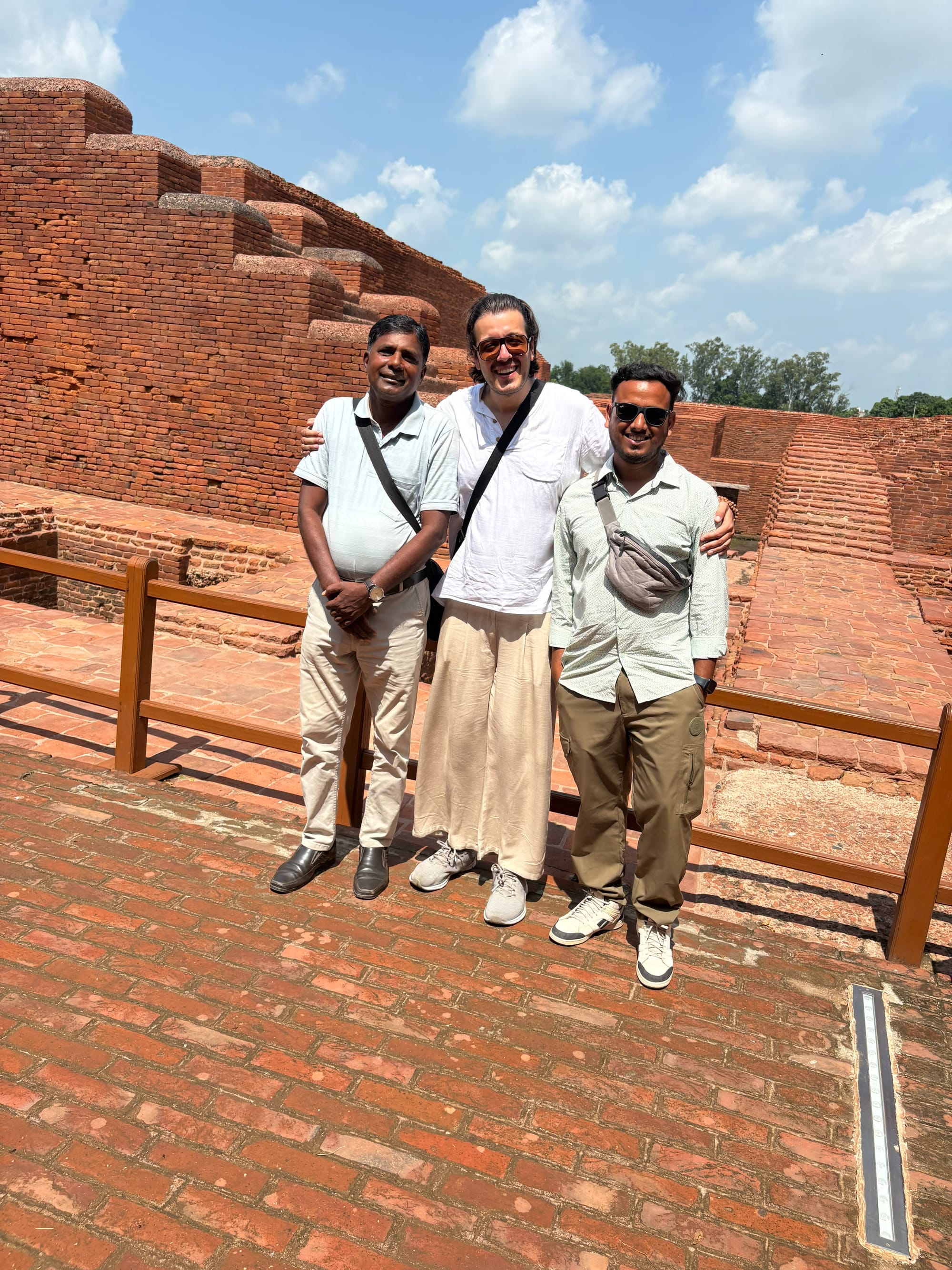
Admission to ancient Nalanda (back in the day, obviously) was highly selective; of course, now isn't and that's why I was able to get in for you at Bicerin hehehehe.
The scholars who screened applicants were known as Dvārapaṇḍitas, a Sanskrit term commonly translated as scholars at the gate or gatekeepers of learning.
They were the people opening the doors of the monastery greeting you in, and at the same time..... the top debaters of the institution!
Their responsibilities included questioning prospective students, evaluating their knowledge, and deciding whether they were prepared for advanced study at Nalanda.
Back then, about two or three out of ten applicants succeeded, while many others could not answer the questions put to them (ouch!).
However, historians caution that this account should not automatically be interpreted as proof of a modern-style entrance examination with fixed rules, written papers and official results. It describes a challenging oral selection process, and scholars continue to discuss exactly how formalised it was.
Doesn't seem too similar to how Socrates would've done things, right?
Why monks came to study
Nalanda attracted students and teachers from across India and from other parts of Asia. Chinese and Korean pilgrims, among others, travelled enormous distances to study Buddhist philosophy and texts here.
These last ones will be the lineage holders of the Sanskrit tradition, which will then travel back to their respective countries, establishing what they are now known as Zen, Chan, Pure Land and Tibetan Buddhism.
The monks studied subjects connected to Buddhism, but the intellectual world of Nalanda was considerably broader. Logic, grammar, philosophy, medicine and other branches of knowledge formed part of the wider scholarly environment.
Debate was particularly important within the institution and against other intellectual religious traditions (Hinduism, Jainism, Samkhya and much more)
Tradition holds that when a monk was defeated in a formal philosophical debate, the result could be much more profound than simply losing face. If the opposing argument proved more convincing, the defeated scholar was expected to accept the force of the reasoning and, in some accounts, even take up the intellectual or religious position of the victor!
Rest assured we don't do that on our podcast at Bicerin hehehe...
How did the VIPs live here?
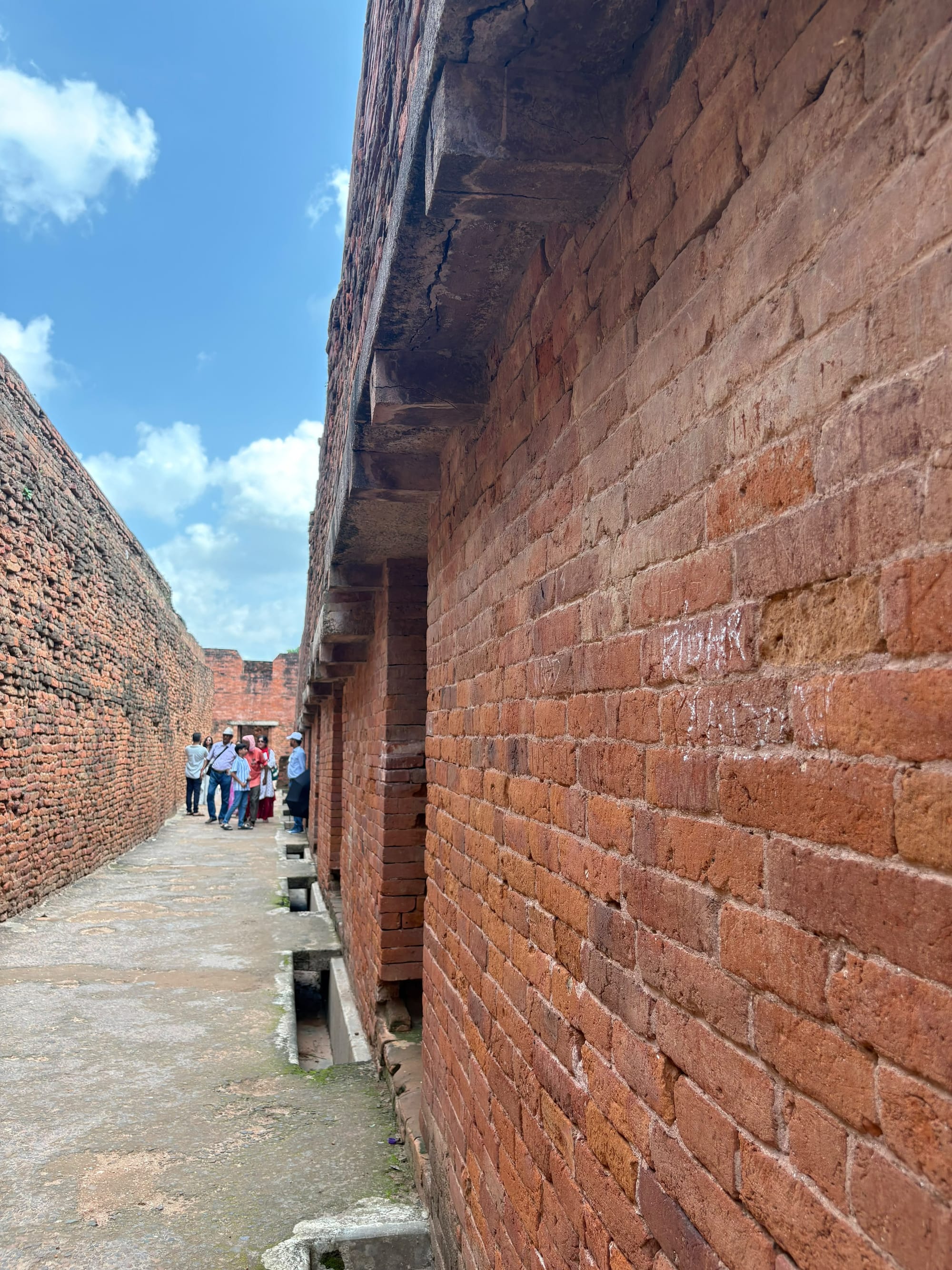
Scholarship was inseparable from monastic life: monks lived and studied within small individual cells (picture above) opening onto the monastery courtyards, spaces designed for a disciplined life of meditation, reading, memorisation and debate.
The thick brick walls offered some protection from Bihar's fierce summer heat and cooler winter nights, creating modest but remarkably durable rooms in which generations of scholars lived, taught and thought.
Technology never harms
As most of you readers know by now, I tend to never mind my own business when I see stones!
These ancient ruins hide some technological marvels that shocked me: Reflective Stone and Mortar made with Starch.
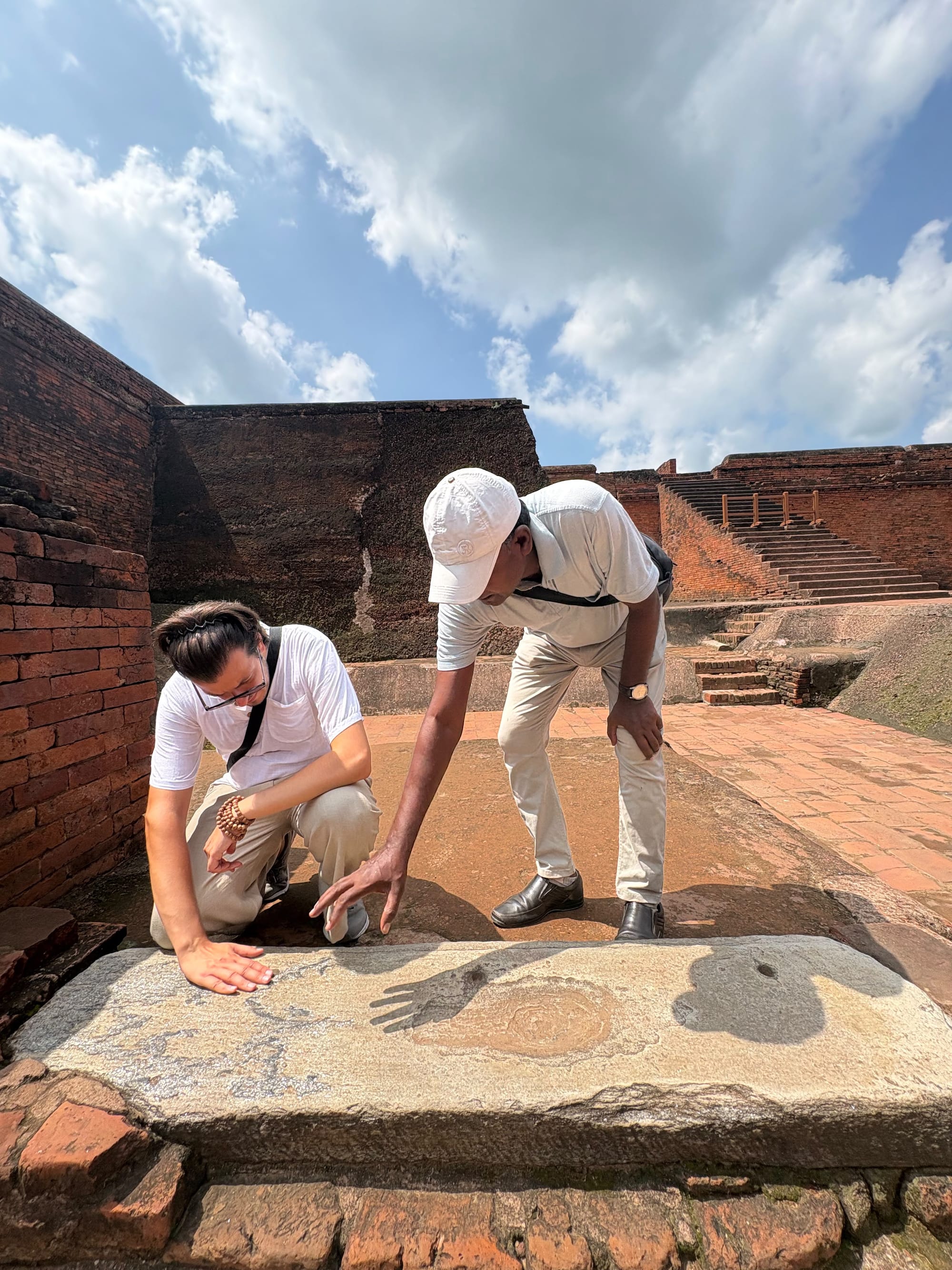
Sooooo what about the reflective stone?
Mica is a group of naturally occurring minerals that split into extremely thin sheets. Their flat surfaces reflect light, giving them a shimmering or silvery appearance (you can see a slab of it in the image above!).
Could the builders have used mica to direct light into dim corridors or rooms?
Yes, yes and again yes! It was the equivalent of an ancient spotlight and helped monks to get light in the darkest areas of the temples, on top of shining light onto statues that needed it for devotional purposes.
Now onto the mortar!
Why has the mortar survived for so long?
Traditional mortar was prepared by mixing slaked lime, finely crushed burnt bricks (surkhi), sand and water. Rice starch or at times, sugar cane has been added as organic additives to improve binding, workability and durability.
Wondering if that worked? Of course it did; that's why this place was able to birth the genius minds of the following!
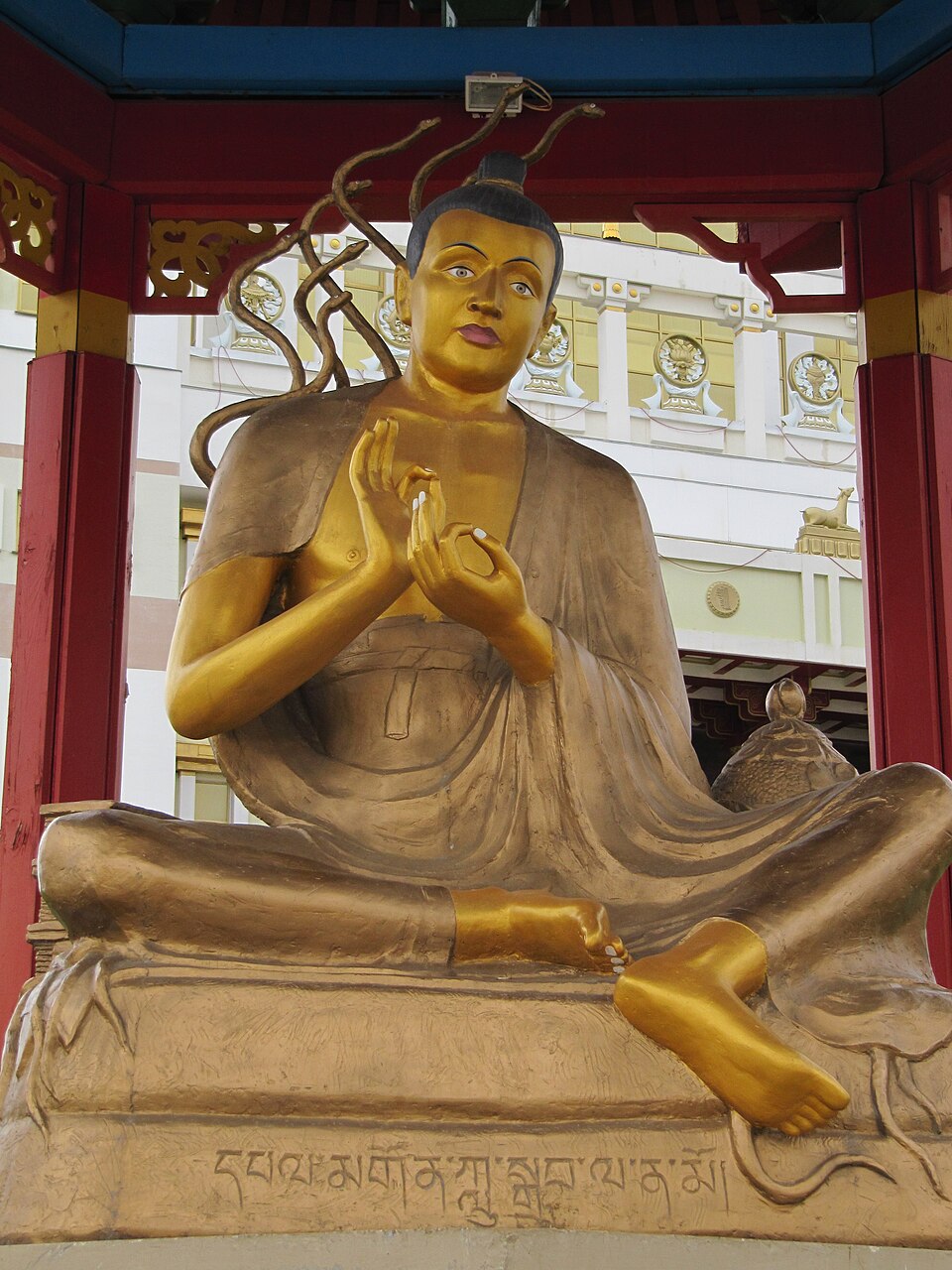
Nagarjuna — Famous for developing Madhyamaka philosophy, he argued that all phenomena are empty of inherent, independent existence and profoundly shaped Mahayana Buddhist thought.
Shantideva — Best known for the Bodhicaryavatara (Guide to the Bodhisattva’s Way of Life), a celebrated work on compassion, wisdom and the path of the bodhisattva.
Vasubandhu — One of the great Buddhist philosophers of ancient India, renowned for his works on Abhidharma, Yogacara thought and Buddhist psychology.
Aryadeva — A foremost disciple of Nagarjuna, famous for defending and developing Madhyamaka philosophy, particularly through his Four Hundred Verses.
How did we find this place?
For centuries, Nalanda had almost disappeared from the landscape, due to the Mughal Empire's invasion. The great Buddhist centre had declined by the 13th century, its buildings collapsed and its remains gradually buried beneath soil and vegetation.
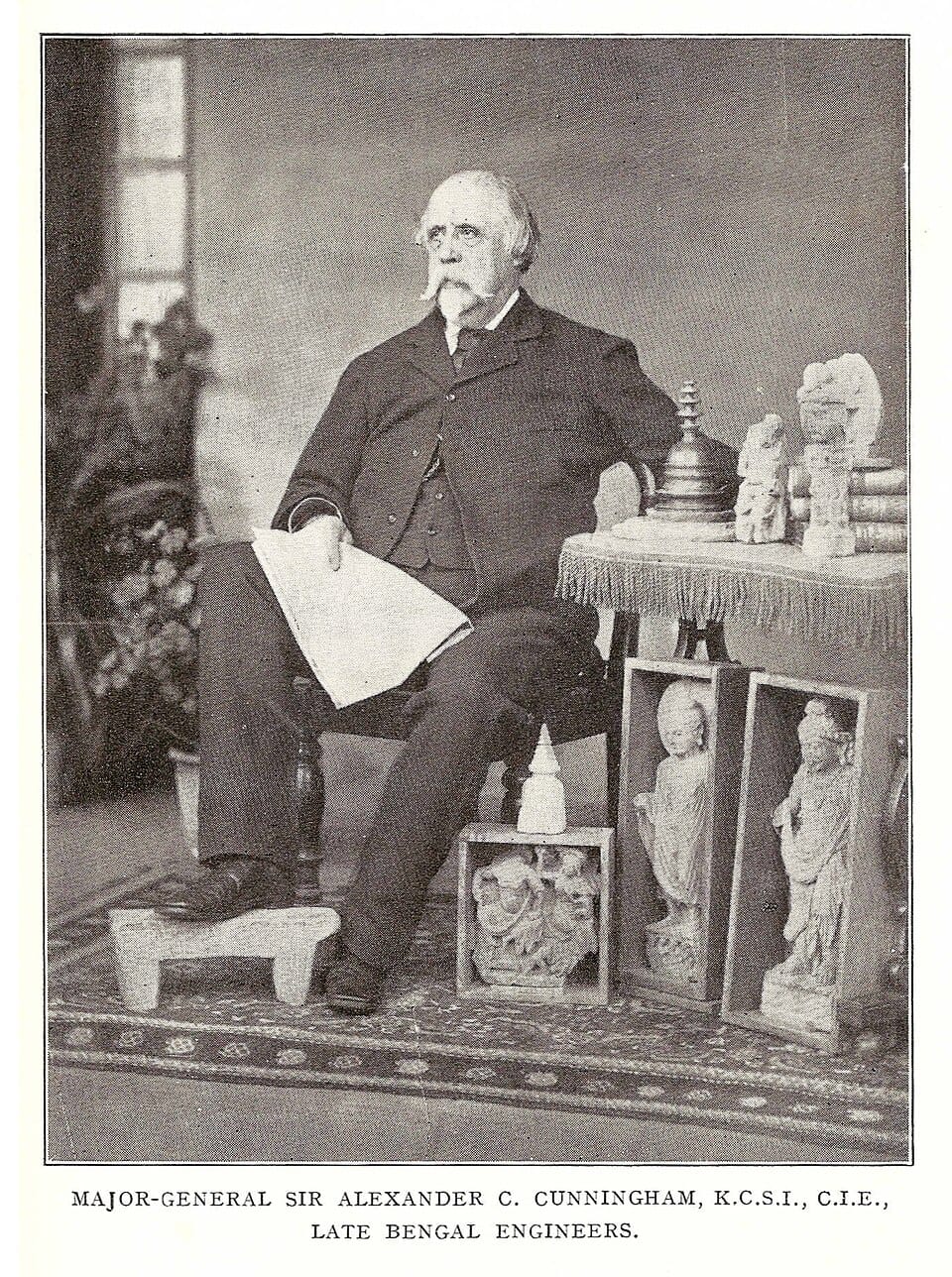
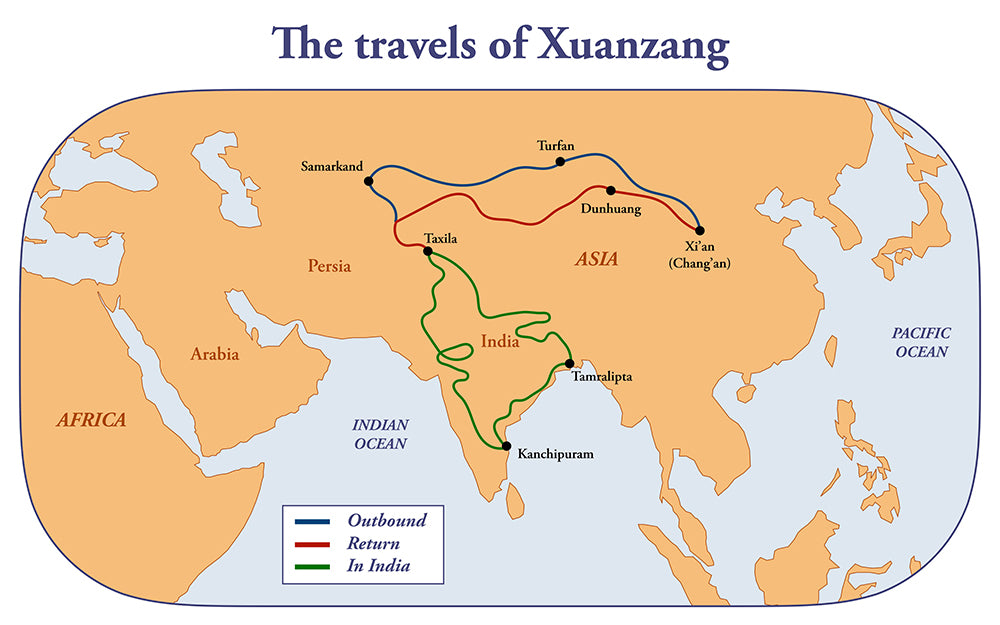
Alexander Cunningham, a British archaeologist known as the father of Indian archaeology, played an important role in identifying the ruins of Nalanda. In the nineteenth century, he studied ancient records, Chinese travellers’ accounts, and descriptions of places visited by the Chinese Buddhist pilgrims Xuanzang and Yijing.
Their writings (Mainly Xuanzang's as the other ones wasn't very accurate!) provided valuable clues about the location of the ancient monastery.
Xuanzang's archaeological treasure map
Xuanzang travelled from China to India in search of Buddhist knowledge and spent years studying at Nalanda. His account of his journey described the great monasteries, temples and stupas he encountered, along with distances and directions between important sites.
More than a thousand years later, these descriptions became invaluable clues for archaeologists.
Nineteenth-century surveyors had already recorded ruins in the area. Francis Buchanan-Hamilton visited in the early 19th century, while Markham Kittoe later made a stronger connection between the ruins and ancient Nalanda.
Picking up from Francis's work, Cunningham was particularly interested in matching the places described by ancient travellers with actual locations on the ground. Xuanzang's detailed account gave him something remarkably useful: a kind of 7th-century archaeological treasure map, so he and his team started matching the Chinese account with the current locations.
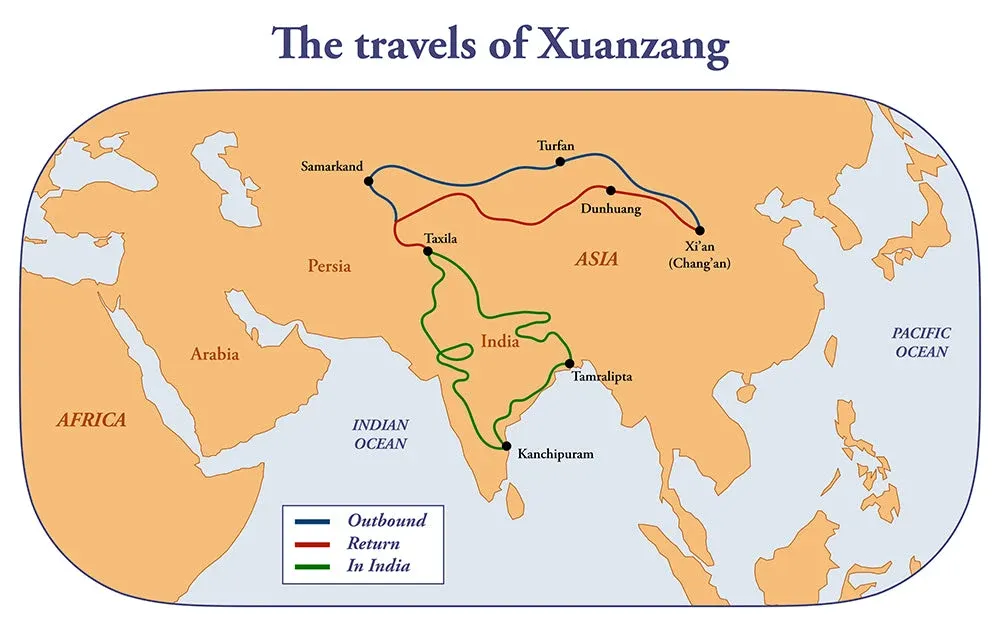
So before he knew it........... JACKPOT he managed to find a site in 90% covered states that looked exactly like NALANDA!
Final thoughts
Visiting the ruins of Nalanda Mahavihara is an extraordinary experience, even if you are not Buddhist.
Walking among its ancient monasteries, temples, stupas and brick corridors is like stepping back in time (a bit like Pompeii and Herculaneum!).
This visit was quite dear to me, as I spent the last years of my life breaking my neck on the texts of Nagarjuna and Santideva.
Śāntideva’s most important and celebrated text is the Bodhicaryāvatāra (The Way of the Bodhisattva), an 8th-century Sanskrit masterpiece composed obviously at Nālandā University.
Nāgārjuna's most important work is the Mūlamadhyamakakārikā(translated as Root Verses on the Middle Way or The Fundamental Wisdom of the Middle Way)
Often in my dreams I imagined living with them and debating, so coming here was as close as I could get!
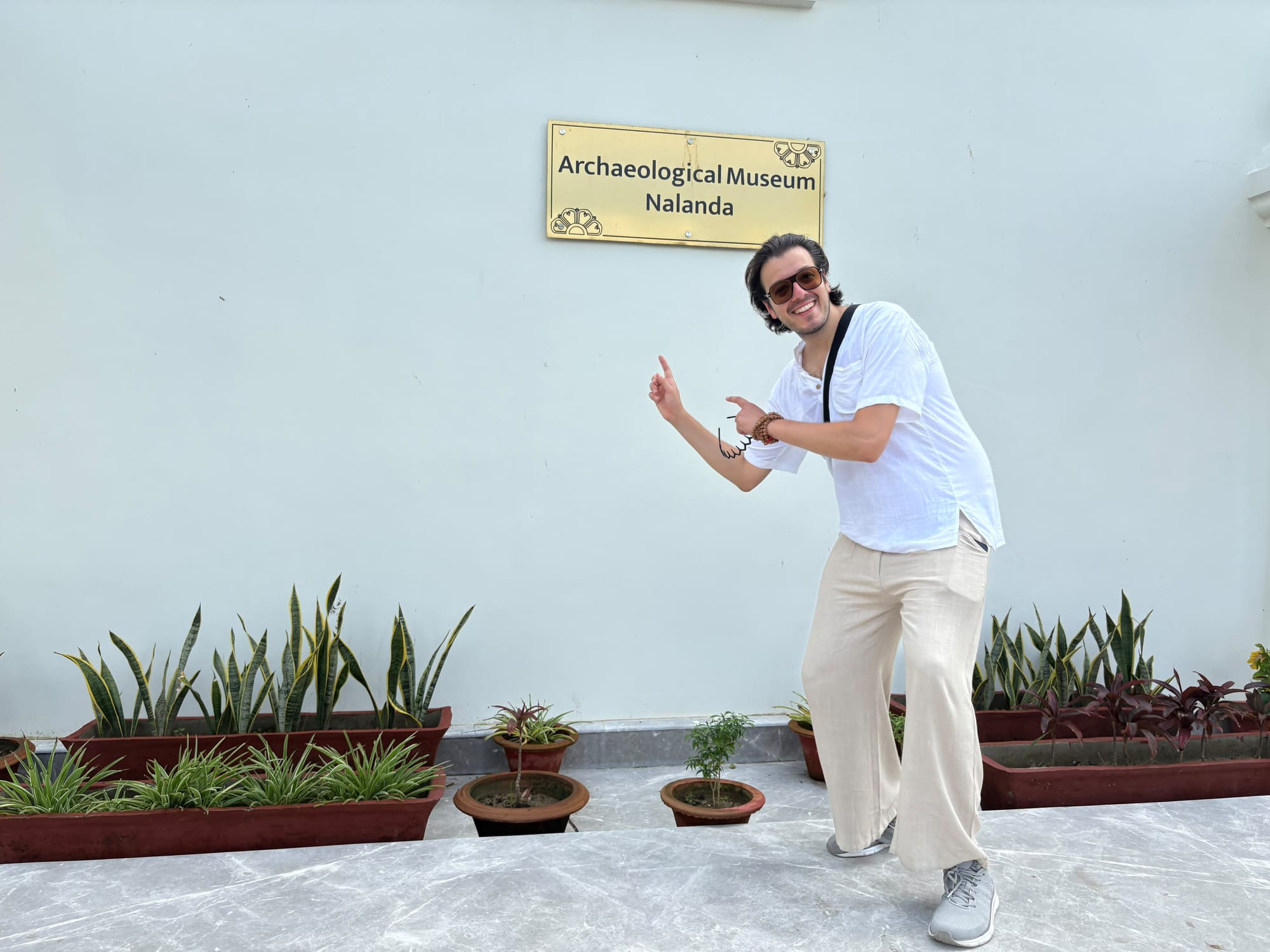
If you ever go to India, make sure you don't miss the Nalanda Archaeological Museum, located just opposite the ruins! It houses sculptures, seals, coins, and other fascinating artefacts recovered from the site. Together, the ruins and museum offer a remarkable window into India's intellectual heritage.
If you have questions or would like to know more, don't forget to comment below!
Useful Links
 Contributors to Wikimedia projects
 UNESCO World Heritage Centre
 Contributors to Wikimedia projects
 Deepak Anand
 Shambhala Publications