Why Musical Theatre?
Musical theatre allows emotion to do what ordinary language cannot. In episode 2 of "Why Art" we explore Sondheim, performance, and mindfulness through the idea that when words fail, we sing.

“Content dictates form.”
Stephen Sondheim
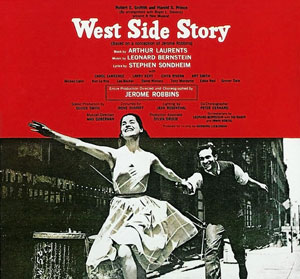
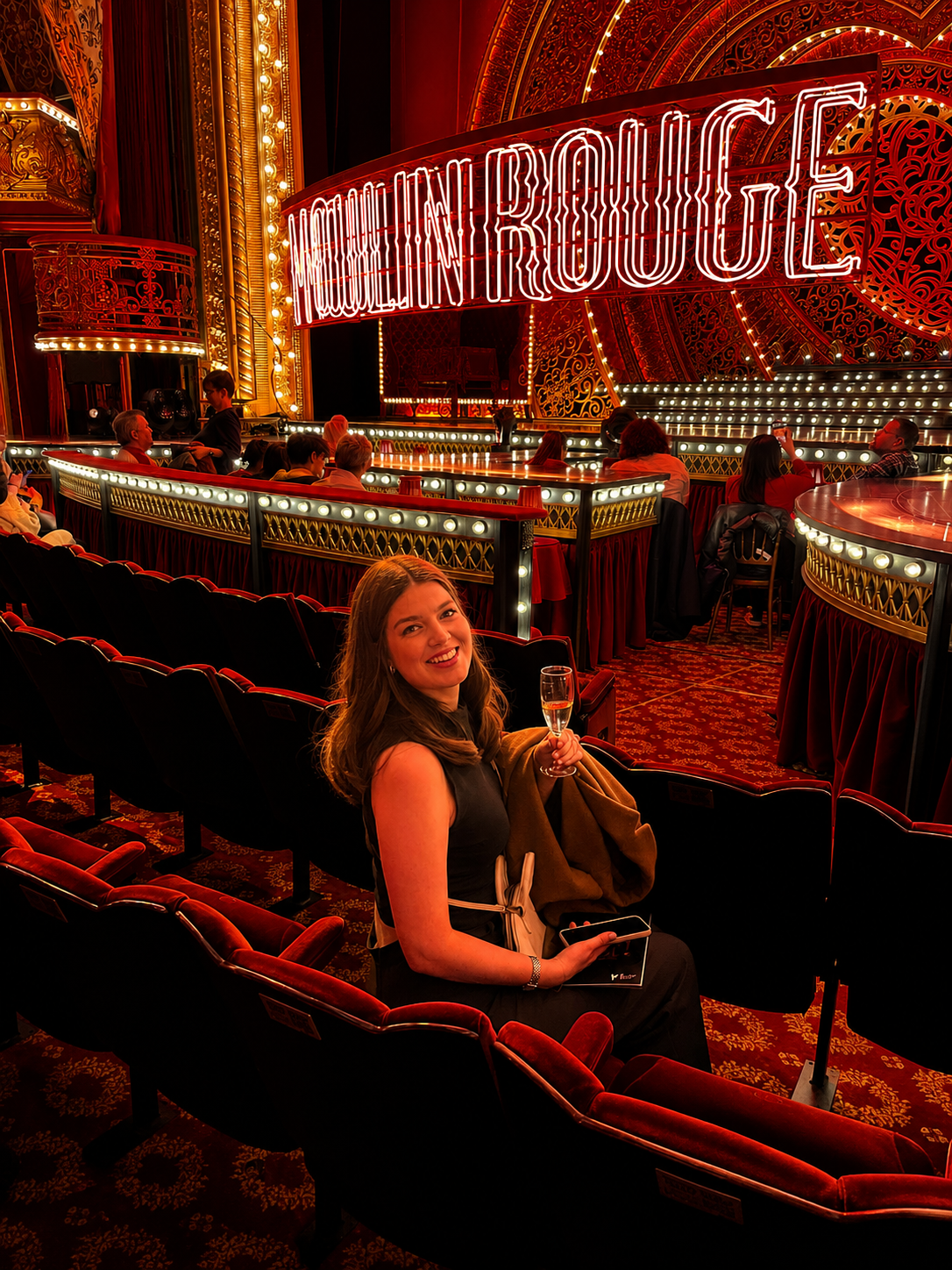
Musical theatre is a strange beast. Less true to life than straight plays, more easily accessible than opera or ballet, musical theatre is a genre where the audience can be swept along in a narrative, then exposed to heightened emotional content through the medium of song and dance.
Episode 2 of "Why Art?"
Sondheim was the beginning of the second generation in what we now understand as modern musical theatre. He was the protégé of Oscar Hammerstein II whose famous collaborations with Richard Rodgers brought us some of the best plays of the 20th century.
From Showboat to The Sound of Music, Hammerstein injected meaning, strong characters and narrative excellence into a genre of entertainment that had become known for its catchy tunes and easy storylines.
Content Dictating Form: When Words Are Not Enough
Mollie and I discussed Sondheim’s idea that content should dictate form. This is crucial in a genre like musical theatre. When words aren’t enough, then the characters sing. When songs aren’t enough, they dance. It’s this sort of embodied emotional communication that I’m interested in.
As Mollie says in the episode:
“I think you can say anything you want in a song, and if it sounds right, it works.”
“It brings joy that real life can’t bring you—because no one does that”
In real life it’s not acceptable to sing at people, on stage when a character is feeling this overwhelming rush of emotion, and they suddenly break into song, it transmits emotion in a way that ordinary speech can’t.
But as with all forms of art there’s a difference between consuming it and taking part in its creation.
Becoming the Art: Ego and Role
Something I hadn’t realised was that:
Within our usual ideas around mindfulness, the realisation of our egoic self and its limitations are so relevant here. By becoming the art, as a performer, there’s a real opportunity for ego release. Also, as a performer, whilst wearing that mask you are not really being ‘yourself’. This is useful in the wider project of investigating the self.
Aligned with this, is the idea that:
“When you’re singing, you can’t think of anything else…the rest of the world doesn’t matter.”
This really is mindfulness in the guise of artistic expression. More than that it could be used consciously as part of, or alongside, a practice designed to bring attention to these things.
I’ll be honest, this series is mostly my attempt to discover for myself why we practice art in light of the understanding I’ve gained into spiritual practice and awareness. The reason for sharing it is because I believe whatever I discover will be of benefit to others seeking the same. The most important thing that has come from this conversation for me, is summed up in the following:
“There doesn’t need to be a why…you’re just going to do it because you love it.”
In the first instance, there doesn’t need to be a reason to practice art.
Just as Krishna said to Arjuna:
“Let your concern be with the action alone, and never with the fruits of action.”
Secondly, it’s all about love. That ineffable, mysterious force that draws us towards each other and everything else in existence, if you let it.
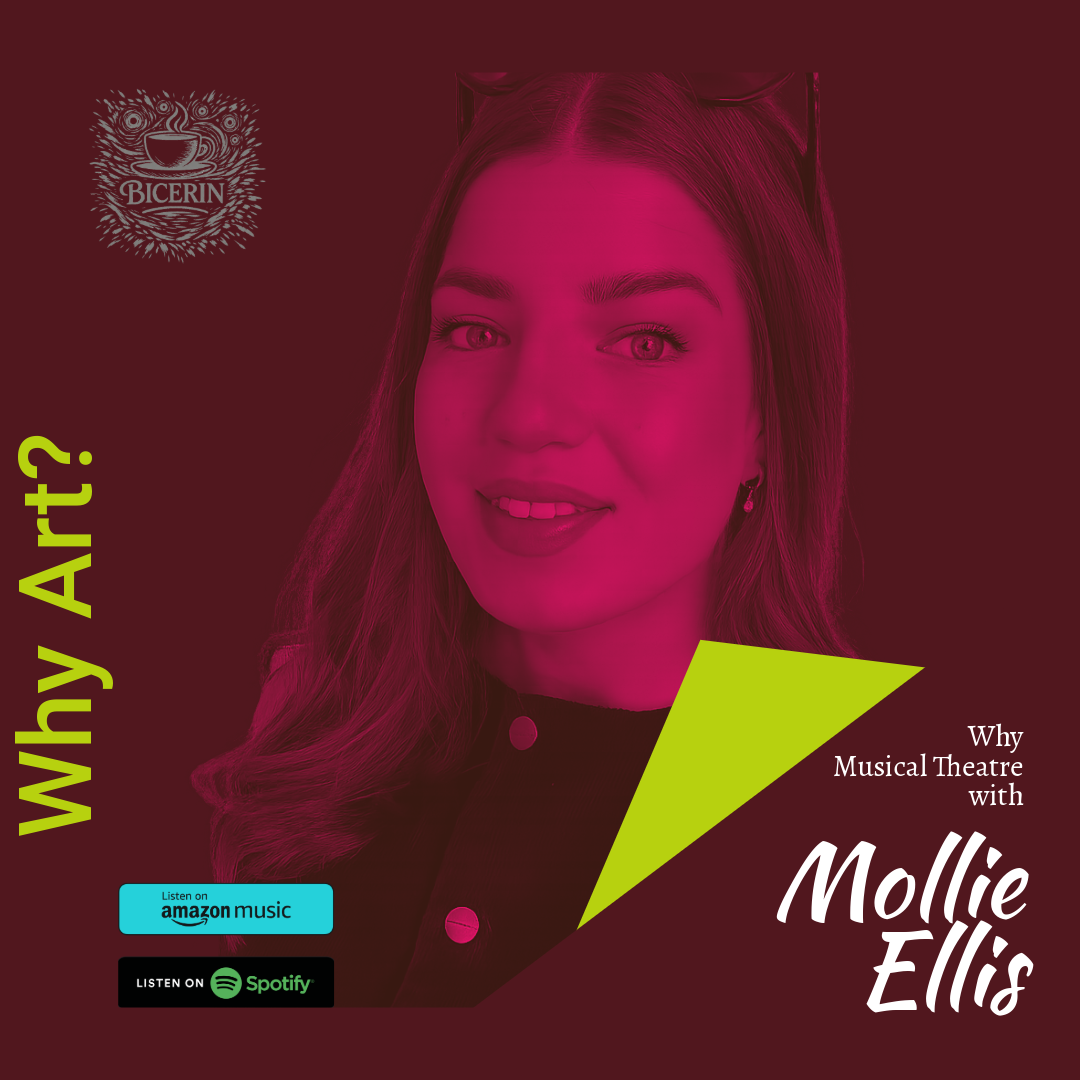
This series, Why Art? will continue with conversations around the visual arts, literature, yoga, theatre, musical theatre, dance, poetry and more.
Stay tuned and join us on this journey!
Useful Links
 Edward Breen
 Edward Breen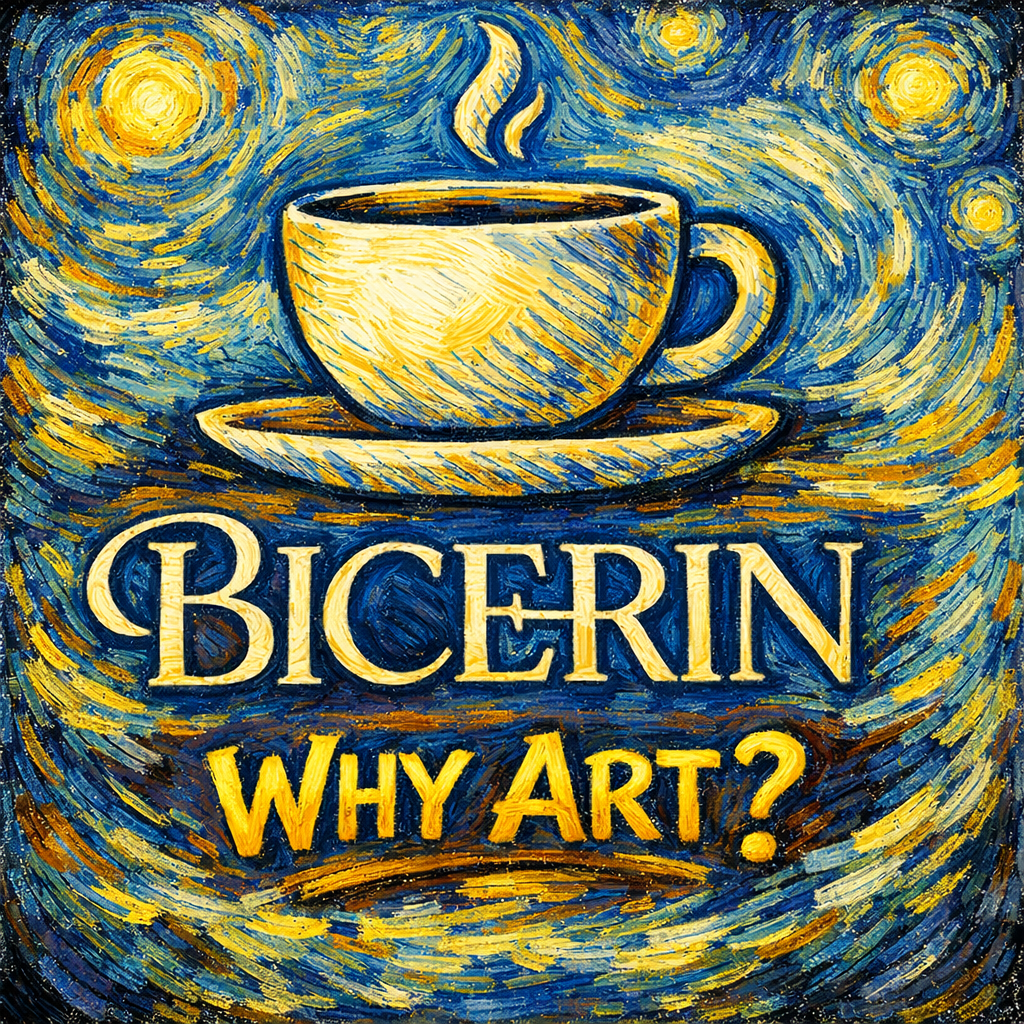
 Contributors to Wikimedia projects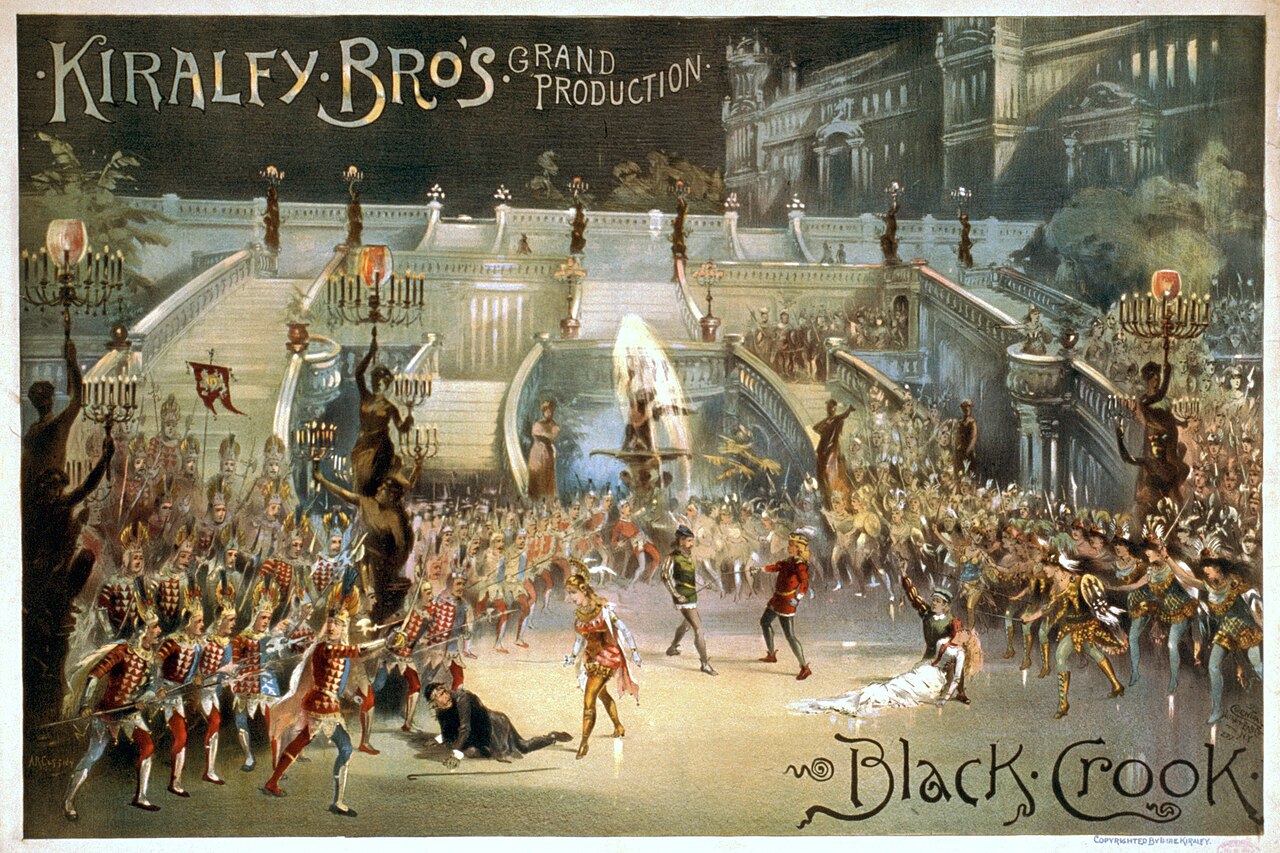
 Contributors to Wikimedia projects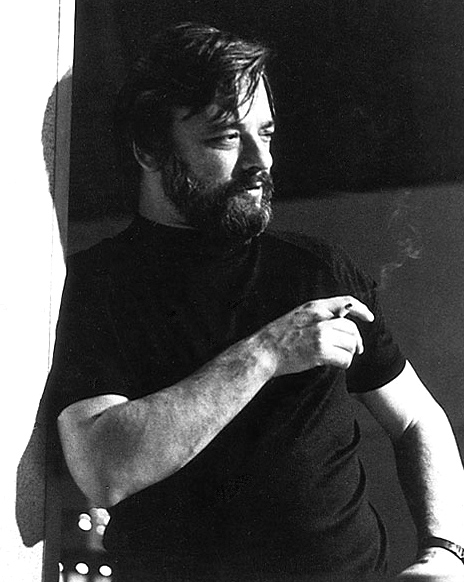

 Contributors to Wikimedia projects